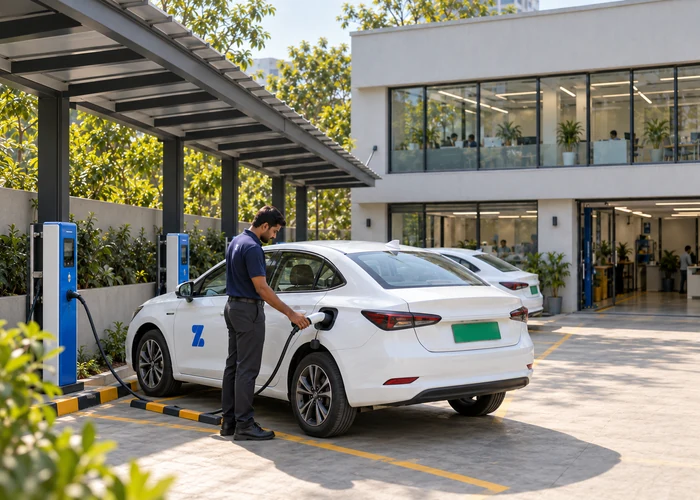
Assign responsibility for vehicle handover, driver attendance, charging and settlement. Record the planned shift alongside what happened, including missed work and its cause. Keep the process small enough for the team to complete consistently; missing records make later comparisons difficult.
Start each day with a vehicle and driver readiness review.
Record kilometres, charging sessions and completed work.
Close the day with outstanding collections and next-shift issues.
02 /
Days 31–60: resolve recurring exceptions
Group missed shifts by cause, such as absent drivers, charging delays or workshop time. Pick the recurring problem with the clearest operational impact and test one change. Compare similar shifts and keep demand changes visible so the review does not attribute every improvement to the intervention.
Give each recurring issue an owner and review date.
Compare the same measure before and after the change.
Keep unverified assumptions separate from recorded results.
03 /
Days 61–90: decide what can be repeated
Review whether the team can sustain the handover, charging and collection process without constant intervention. Compare vehicle-level results and unresolved workload before adding cars or another location. Expansion should follow a documented operating plan with known responsibilities.
Review driver coverage, vehicle downtime and collection timing together.
Record which routines are dependable and which still need work.
Agree the next fleet size from demonstrated operating capacity.