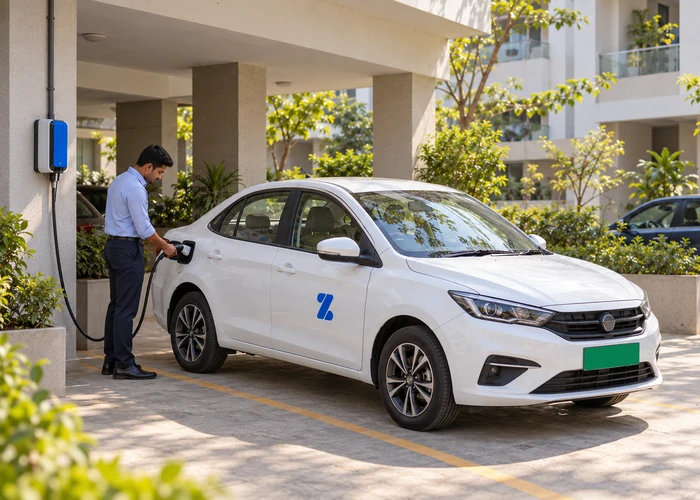
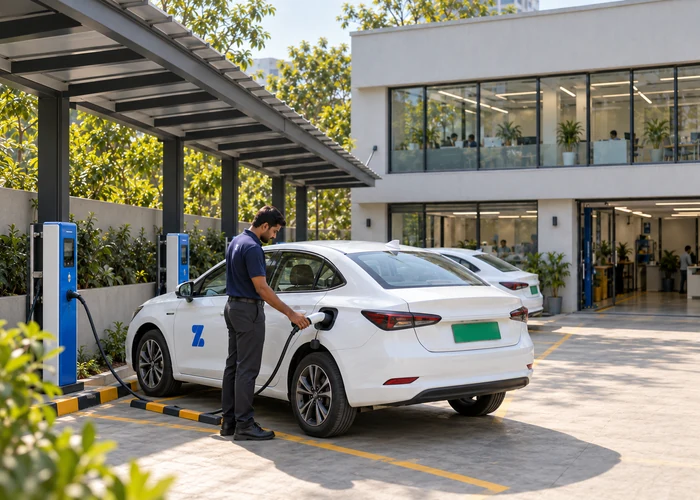
Record whether the driver uses a home charger, a shared facility or a public station near home. Confirm access and who pays the bill. For charging at home, have the proposed equipment and electrical installation assessed by an appropriately qualified professional and follow the vehicle and equipment instructions.
Record the approved charging location and access arrangements.
Identify a backup location when the normal option is unavailable.
Agree who reports interruptions and how the next shift is reviewed.
02 /
Agree the evidence for reimbursement
Set out which receipts or charging records are needed and how costs are matched to a vehicle and reporting period. If a household bill includes other use, agree a suitable measurement approach instead of allocating the whole bill to the fleet. Keep estimates identifiable until they can be reviewed.
Record dates, vehicle, driver and the supporting charging evidence.
Separate reimbursement requests from approved payments.
Check duplicates and billing-period differences before settlement.
03 /
Check readiness for the next assignment
Review whether the vehicle is ready for the agreed route and shift, using the operation’s vehicle-specific planning assumptions. A charging receipt alone does not confirm readiness. When a charging session is missed or interrupted, assign the next action early enough to revise the shift or use the backup plan.
Record unresolved charging issues at the handover.
Confirm who makes the replacement or route decision.
Review recurring interruptions and reimbursement questions together.