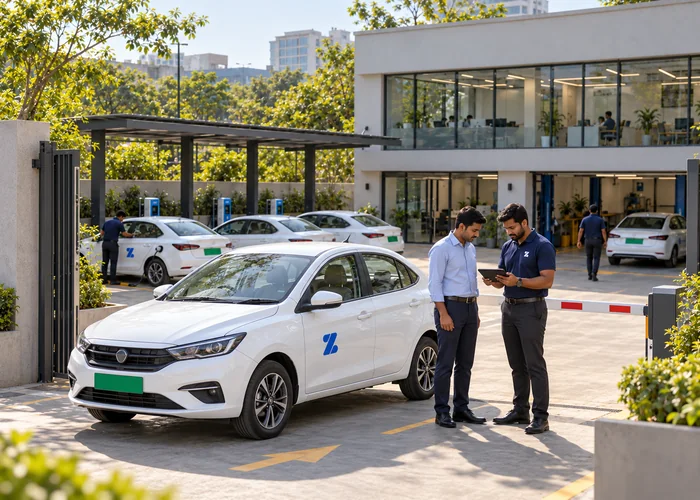
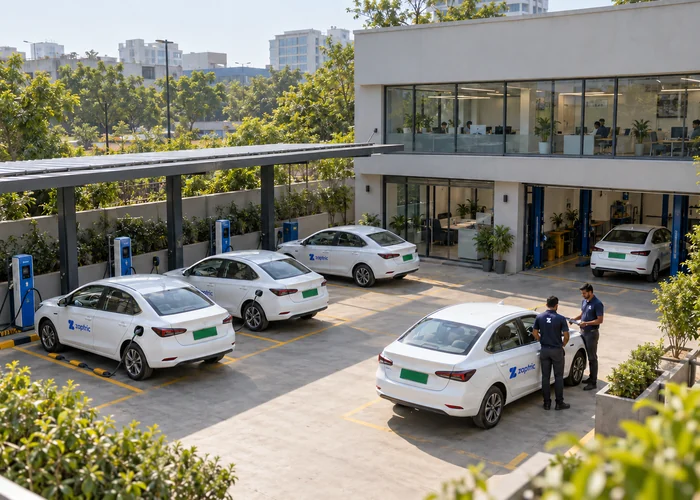
A hub brings handovers and inspections to a common location. A home-based model changes where those checks happen and who confirms them. Compare each arrangement against the routes you intend to serve, including the empty travel at the start and end of the day.
Record the vehicle location and next driver at the end of every shift.
Agree how keys, condition photos and outstanding issues are handed over.
Identify who can arrange a replacement when the next driver is unavailable.
02 /
Make the charging arrangement explicit
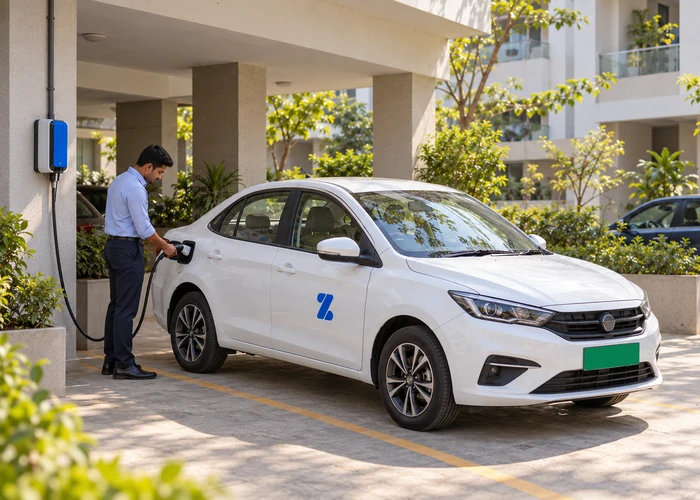
For a hub, confirm charger access and how vehicles share charging time. For home-based drivers, establish whether charging takes place at home or at public stations. Agree which evidence is needed for reimbursement and who checks readiness before the next shift. Home electrical suitability requires a qualified assessment for the intended equipment.
Record the approved charging arrangement for each vehicle.
Define how session costs are matched to the driver and vehicle.
Keep a backup plan for unavailable charging or parking.
03 /
Compare the management work as well as the cost
Include parking, travel, supervision, handover time and charging arrangements in the comparison. Review missing records and late starts during a small trial. Some fleets may need a mix of models; use consistent readiness and settlement checks so the operating view remains comparable.
Give each unresolved handover or charging issue an owner.
Review the same vehicle states across both arrangements.
Choose the arrangement that your team can consistently operate and verify.